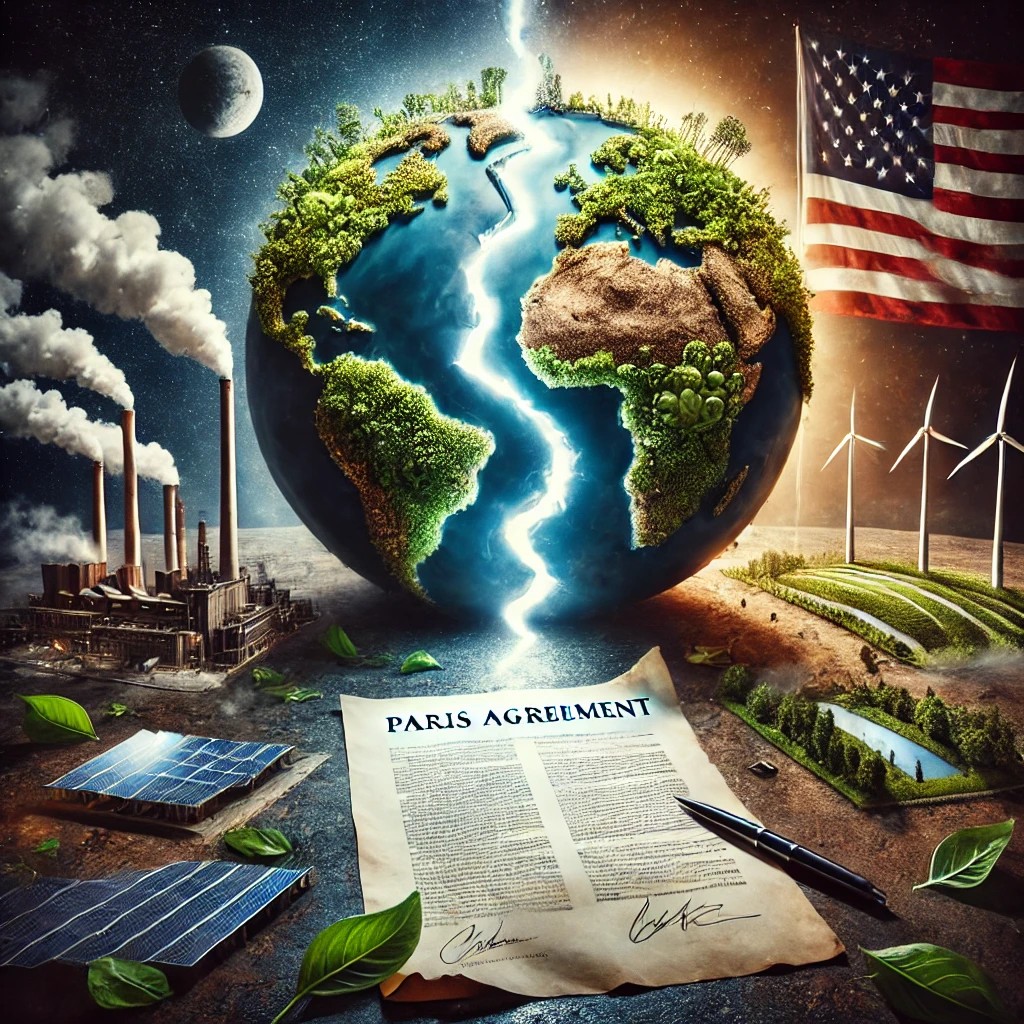
The decision of former U.S. President Donald Trump to withdraw the United States from the Paris Agreement and halt international climate funding left a significant gap in global climate leadership. However, Michael Bloomberg, former New York City mayor and U.N. Special Envoy on Climate Ambition, has stepped in to address the void. Through Bloomberg Philanthropies, he has committed to funding the United Nations Framework Convention on Climate Change (UNFCCC), ensuring the United States remains engaged in the global fight against climate change despite federal disengagement.
Filling the Financial Gap
The UNFCCC, the leading U.N. climate body, relies on member contributions for its core budget. Historically, the U.S. has been responsible for around 21% of this budget. Trump’s decision to cut funding threatened to derail the institution’s ability to implement the Paris Agreement and organize critical climate negotiations.
Bloomberg Philanthropies has pledged to cover the U.S. financial commitment and rally other private and public contributors to ensure the UNFCCC’s work continues unhindered. Bloomberg’s leadership reflects a broader recognition of the critical role non-governmental actors can play in addressing global challenges.
Empowering Local and State-Level Climate Efforts
From 2017 to 2020, during Trump’s first withdrawal from the Paris Agreement, states, cities, and businesses across the U.S. mobilized to uphold the nation’s climate commitments. Bloomberg aims to revive this collaborative spirit by working closely with subnational entities and private organizations. This decentralized approach ensures that U.S. climate goals can still be pursued despite federal setbacks.
A Model of Philanthropic Responsibility
Bloomberg Philanthropies’ contributions are a testament to the growing importance of philanthropy in tackling global crises. By stepping up where governments fall short, philanthropic organizations demonstrate how public-private partnerships can drive meaningful change. Bloomberg’s previous $4.5 million contribution to the UNFCCC is evidence of his ongoing commitment to climate action.
Broader Implications
Bloomberg’s actions also highlight the interconnectedness of climate leadership and diplomacy. As the U.S. federal government retreats from international agreements, private and subnational actors are stepping into roles traditionally reserved for nation-states. This shift underscores the evolving dynamics of global governance in an era of climate urgency.
Conclusion
Michael Bloomberg’s intervention underscores the vital role individuals and organizations can play in safeguarding the planet’s future. His proactive stance ensures that the United States, even in the absence of federal leadership, continues to contribute to the global fight against climate change. In doing so, Bloomberg reaffirms a simple yet powerful truth: leadership is not confined to governments—it is the responsibility of all who have the capacity to act.



 Ioana Dorhoi, PhD – Government Relations and Public Affairs