🚨 U.S. Foreign Aid Under Scrutiny: What the Freeze Means for Global Assistance 🚨
In a bold move, Secretary of State Marco Rubio has ordered a freeze on new foreign aid funding, signaling a dramatic shift in U.S. foreign policy priorities. This decision follows President Trump’s executive order to reassess U.S. foreign assistance programs.
In my latest article, I dive deep into the implications of this freeze—what it means for countries relying on U.S. support, the impact on ongoing projects, and how it will reshape international relations.
If you’re interested in the future of global aid and U.S. foreign policy, this is a must-read. Check it out for insights into the current landscape of U.S. foreign assistance and its potential ripple effects worldwide. 🌍
#ForeignAid #USPolicy #GlobalAffairs #InternationalRelations #PoliticalAnalysis #USForeignPolicy
Rubio Freezes New Foreign Aid Funding Amid Review of U.S. Assistance Policies
January 25, 2025
On January 25, 2025, Secretary of State Marco Rubio issued a directive halting all new foreign aid funding through the U.S. Department of State and the U.S. Agency for International Development (USAID). This pause, which affects nearly all foreign assistance programs, comes in the wake of an executive order signed by President Donald Trump earlier in the week, signaling a major reevaluation of U.S. foreign aid policies.
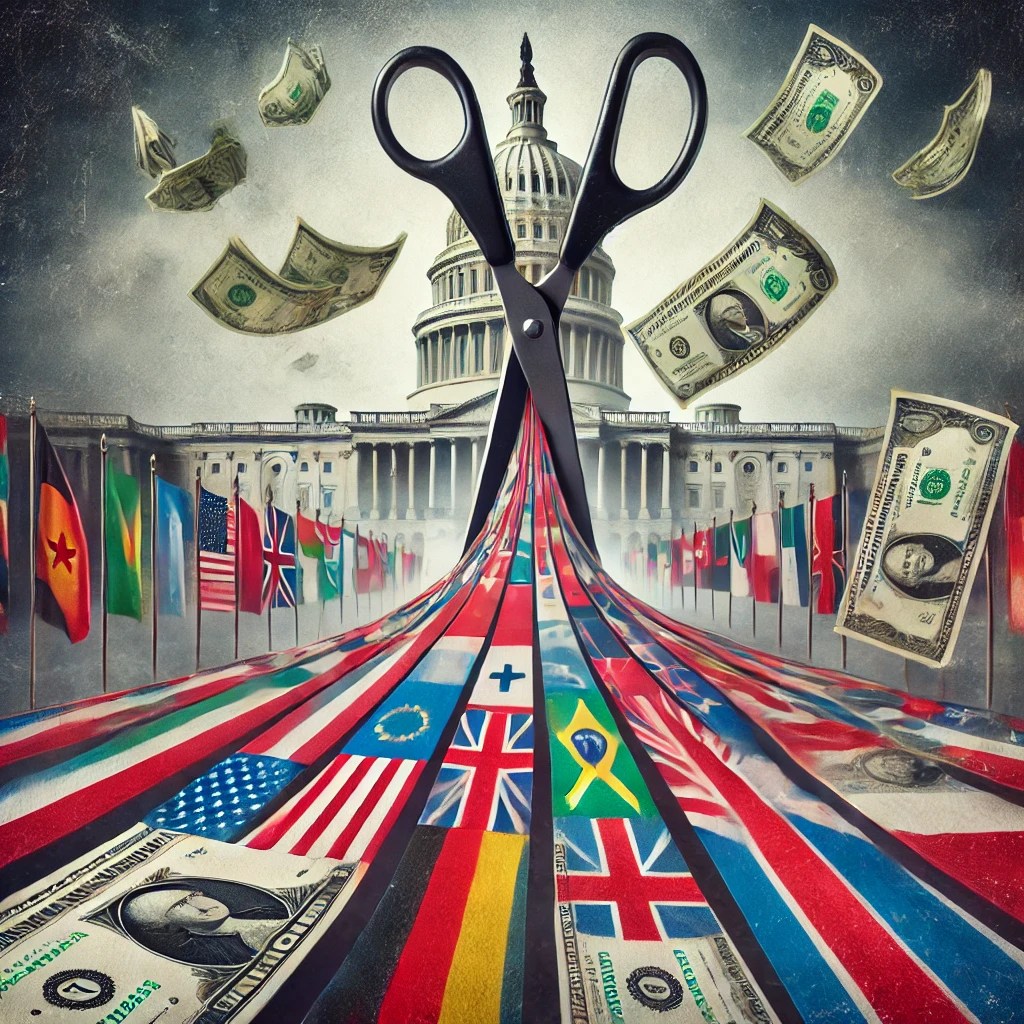
The directive, obtained by CBS News, instructs all U.S. diplomatic and consular posts to cease new obligations for foreign aid funding pending a comprehensive review. Rubio explained that the existing system does not allow for a centralized review of foreign aid data, making it difficult for officials to assess the effectiveness, duplication, and alignment of these programs with U.S. foreign policy.
Under the order, the State Department is required to create a centralized database to gather detailed information on foreign assistance programs. This repository will be accessible to senior department officials, USAID leadership, Ambassadors, and other key stakeholders, ensuring that the Secretary of State can make informed decisions. Rubio also emphasized that further guidance on this new system would be provided shortly.
The order imposes an 85-day deadline for a “government-wide comprehensive review” of U.S. foreign assistance programs. The review will culminate in a report to Rubio, who will then offer recommendations to the President.
While the freeze affects new and existing foreign aid programs, some notable exceptions are in place. Military financing for Israel and Egypt, emergency food assistance, and the administrative costs of U.S. government employees and contractors are exempt from the pause. The State Department’s Director of Foreign Assistance will oversee any further exceptions.
The move follows reports that the Biden administration had shifted tens of millions of dollars in military aid from Egypt to Lebanon in the final days of its tenure, a decision aimed at supporting Lebanon’s armed forces following a ceasefire between Israel and Hezbollah.
While the freeze on new funding raises questions about the future of U.S. foreign assistance, it remains unclear how it will affect aid to countries like Ukraine, which continues to receive significant support from the U.S. amidst ongoing conflict with Russia.
As this review process unfolds, the global impact of the U.S. foreign aid freeze remains to be seen.
 Ioana Dorhoi, PhD – Government Relations and Public Affairs