February 19, 2025
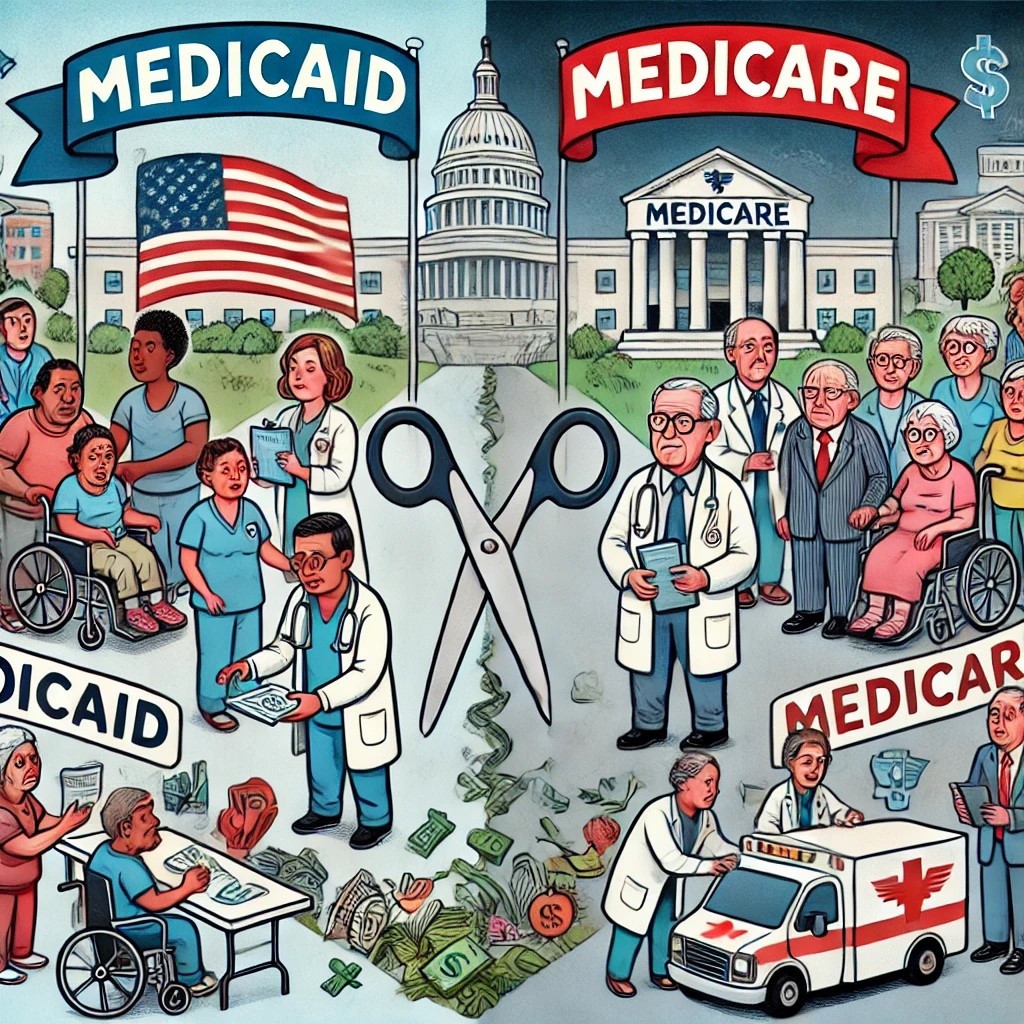
The debate over Medicaid funding has once again taken center stage as congressional Republicans propose significant cuts to the program. Medicaid, a crucial part of the U.S. healthcare system, serves millions of low-income individuals, children, and people with disabilities. But what exactly is Medicaid, how does it differ from Medicare, and what could proposed budget reductions mean for Americans who rely on it?
What is Medicaid?
Medicaid is a joint federal and state program designed to provide health coverage to low-income individuals and families, as well as people with disabilities. Established in 1965 under President Lyndon B. Johnson as part of the Social Security Act, Medicaid has since evolved into a program that serves over 79 million Americans, covering a wide range of healthcare needs, including hospital visits, medications, and long-term care services.
Unlike Medicare, which primarily serves individuals aged 65 and older, Medicaid supports a broader population, including children, pregnant women, and disabled adults. In some cases, Medicaid also helps cover out-of-pocket costs for Medicare beneficiaries with low incomes, a group known as “dual eligibles.”
Who Benefits from Medicaid?
Medicaid provides essential healthcare services to a diverse range of Americans. Approximately 40% of children in the U.S. receive coverage through Medicaid or the Children’s Health Insurance Program (CHIP). The program also funds over 40% of births nationwide and supports people with disabilities by covering services that allow them to live independently rather than in institutions.
In terms of demographics, Medicaid enrollees represent a broad cross-section of the country: around 40% are white, 30% Hispanic, 19% Black, and 1% Indigenous. However, undocumented immigrants are generally excluded from Medicaid coverage, with some states opting to use their own funds to provide services to these populations.
How is Medicaid Funded?
Medicaid is financed through a combination of federal and state funding. The federal government covers a percentage of each state’s Medicaid expenses, ranging from 50% to 77% depending on the state’s economic status. Additionally, states that expanded Medicaid under the Affordable Care Act (ACA) receive a higher federal match for newly eligible enrollees.
Unlike many federal programs with set spending limits, Medicaid funding is open-ended, meaning the amount allocated depends on the number of enrollees and the healthcare services they use. In 2023, Medicaid accounted for about 15% of state budgets nationwide.
The Impact of Medicaid Expansion
The ACA, signed into law in 2010, allowed states to expand Medicaid eligibility to more low-income adults. To encourage participation, the federal government offered states increased funding to support expansion. To date, 40 states and the District of Columbia have adopted Medicaid expansion, while 10 states have not, leaving millions without access to affordable healthcare.
In states that did not expand Medicaid, eligibility criteria remain strict. In 2025, the median annual income limit for a single adult in these states is just $5,947—meaning many working poor individuals fall into a “coverage gap,” where they earn too much to qualify for Medicaid but too little to afford private insurance through the ACA marketplace.
Republican Proposals and Their Potential Impact
Congressional Republicans have proposed reducing federal Medicaid spending, a move that could lead to significant changes in eligibility, benefits, or both. The specifics of these proposals remain unclear, but past efforts have included limiting federal contributions, introducing work requirements, or transitioning to block grants that provide states with fixed Medicaid funding.
Healthcare providers, states, and enrollees are concerned about how such cuts would impact access to care. Medicaid payments to doctors and hospitals are already lower than those from Medicare and private insurance. Reducing funding further could lead to fewer participating providers, reduced services, and increased out-of-pocket costs for beneficiaries.
The Future of Medicaid
While the fate of Medicaid remains uncertain, its popularity may be a significant hurdle for those advocating cuts. Polls consistently show that a majority of Americans, including Republicans, support Medicaid. The debate ultimately raises fundamental questions about the role of government in healthcare: Should Medicaid be scaled back to reduce federal spending, or should it continue to expand to ensure broader access to medical care?
As lawmakers deliberate, millions of Americans are left waiting to see how changes to Medicaid will shape their access to healthcare in the coming years.
 Ioana Dorhoi, PhD – Government Relations and Public Affairs
Leave a comment