On January 21, 2025, Representative Elise Stefanik appeared before the Senate Foreign Relations Committee for her confirmation hearing as U.S. ambassador to the United Nations. During her opening remarks, Stefanik pledged to advance President Donald Trump’s “America First” vision and outlined plans to scrutinize U.S. contributions to the United Nations, emphasizing efficiency and alignment with American interests.
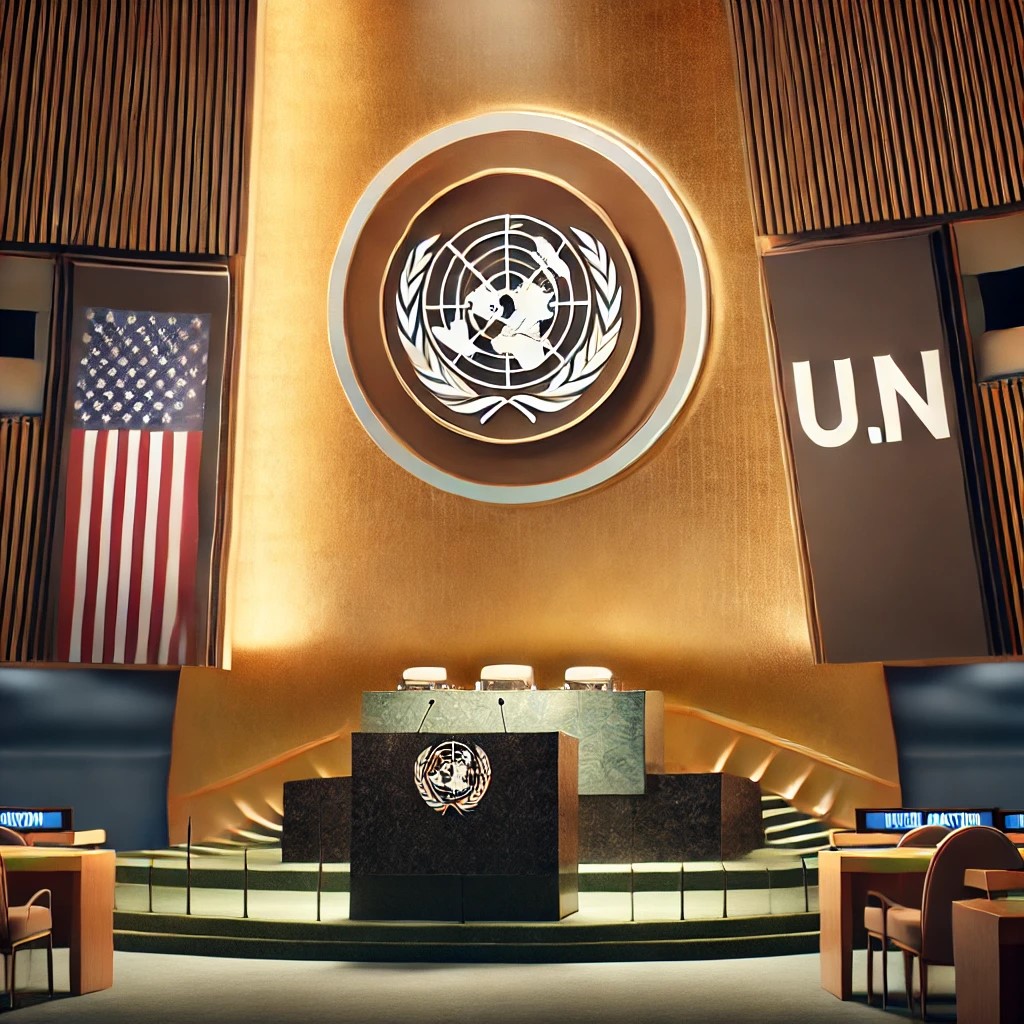
Stefanik acknowledged the U.S.’s position as the largest financial contributor to the U.N., citing the effectiveness of agencies like UNICEF and the World Food Program. However, she stressed the importance of ensuring taxpayer dollars are not used to support entities counterproductive to U.S. objectives or involved in corruption. “Our tax dollars should not be complicit in propping up entities that are counter to American interests, antisemitic, or engaging in fraud, corruption, or terrorism,” she stated.
Calls for Reform and Alignment of Interests
The hearing began with strong critiques of the U.N. from Sen. Jim Risch, the committee’s Republican chair, who expressed skepticism about the institution’s current role. He underscored the need for accountability and reform, suggesting that Stefanik could drive significant change.
Stefanik echoed these sentiments, advocating for reforms to address the veto power wielded by adversaries like Russia and China in the U.N. Security Council. She acknowledged that the U.N. has often fallen short of its founding mission, pledging to champion transparency and efficiency.
Focus on Key Global Issues
The confirmation process delved into pressing international concerns, including conflicts in Gaza, Ukraine, and Sudan, as well as nuclear proliferation threats posed by Iran and North Korea. Stefanik underscored her commitment to bolstering alliances, particularly in countering China’s growing influence within the U.N.
Stefanik’s strong support for Israel was evident throughout her testimony. She highlighted the U.N.’s disproportionate focus on Israel in its resolutions and emphasized her intent to combat antisemitism within the organization. Her stance aligns with her recent efforts to hold institutions accountable for antisemitic incidents, which have earned her praise from Trump and others.
A Rising Republican Figure
Stefanik, a Harvard graduate and the fourth-ranking member of the House, has emerged as a key ally of Trump. Her rapid rise in Congress, from being the youngest member of her freshman class to a leadership role in 2021, underscores her political acumen. With extensive experience on defense and intelligence committees, she has also been active in addressing strategic competition with China and strengthening Indo-Pacific ties.
Her nomination has drawn comparisons to former U.N. ambassador Nikki Haley, reflecting speculation about her potential ambitions for higher office. Some observers, including former national security adviser John Bolton, view this role as a stepping stone for a possible 2028 presidential bid.
Bipartisan Reception and Challenges Ahead
While Stefanik faces mixed reactions from Senate Democrats, key members like Sen. John Fetterman and Sen. Jacky Rosen have signaled their support. Rosen, who is Jewish, praised Stefanik’s commitment to addressing bias against Israel at the U.N.
Stefanik’s confirmation remains a pivotal moment for U.S. foreign policy under Trump’s leadership. If confirmed, she will be tasked with navigating complex international challenges while advancing a vision centered on American interests and global accountability.
 Ioana Dorhoi, PhD – Government Relations and Public Affairs
Leave a comment